WHEN ANIA WAKES UP IN A CAMP FOR TROUBLED SOULS, she has no memory of how she got there, and yet the people who surround her seem familiar. As if that wasn’t strange enough, the camp has been set up in an abandoned and derelict place.
Faced with violence from the outset, Ania tries to return home to the safety of her family, but her every effort to escape is met by a new obstacle, not least her reluctance to engage in conflict after years spent in the shadows of a wrathful mother and battle-lustful brother. A familiar voice whispers in her ear, suggesting that others are using her people-pleasing ways to manipulate her, but Ania isn’t sure if this voice is trying to help or keep her reduced to the shape of their will.
When one of the other campers goes missing, Ania fears that she is being stalked by a malevolent spirit. The forest groans, threatening to unleash something that is certain to overwhelm her if she dares to open her eyes to it. And another thing troubles her. As horrors grow and her story unfolds, she begins to question if the dangers really are out there, or if she is trapped inside the labyrinth of her mind.
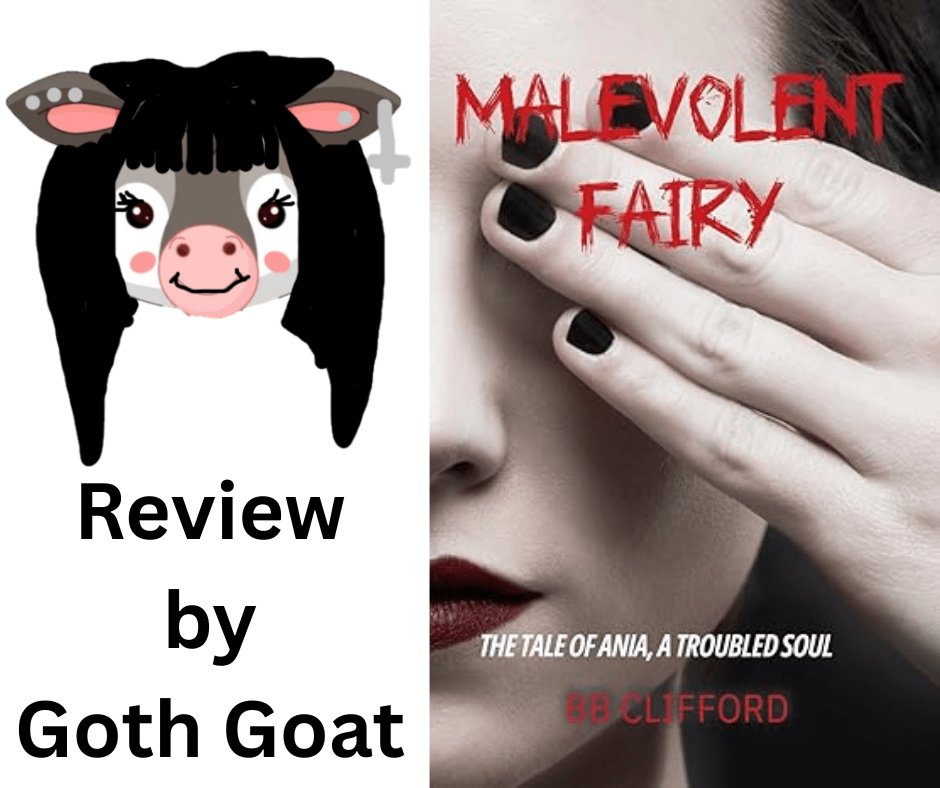
Content warning: horror, misogyny, rape, suicide.
With its labyrinthine prose, twisting and turning, frequently circling back on itself, Malevolent Fairy creates a web of tangled lies and half truths. Ania is a troubled protagonist who finds herself in a decrepit and crumbling camp for teens. Unable to remember how she got there, Ania is confused and disorientated, always begging to return home to her agoraphobic mother and rebellious, queer sibling.
Her dead nana’s voice is an ever-present and paranoid guide, hindering as often as helping Ania as she tries to navigate the unfamiliar and threatening terrain. The other characters – employees and guests/prisoners of the camp – seem eerily familiar. Is Daria Ania’s sibling or Cynthia her mum? And what about the delivery driver? Could he be her father?
Punctuating Ania’s chapters, we find advertisements for and newspaper articles about a dangerous sector of America’s economy – camps for troubled teens. Below these, are threads of comments – the kind we remind ourselves not to read when navigating the internet – that effectively distil the toxic nature of social media. We eventually learn the identity of one of the commenters, but the voice stalking them remains anonymous and perhaps reflects an amalgamation of conspiracist leftists.
Malevolent Fairy dances between psychological and supernatural horror. Readers are left uncertain as to whether Ania’s trauma is real or imagined. Is she the victim of constant bullying, or has she inherited her nana’s and mother’s paranoia? Is Abigail a friend, enemy or an alternate identity created by Ania’s troubled mind?
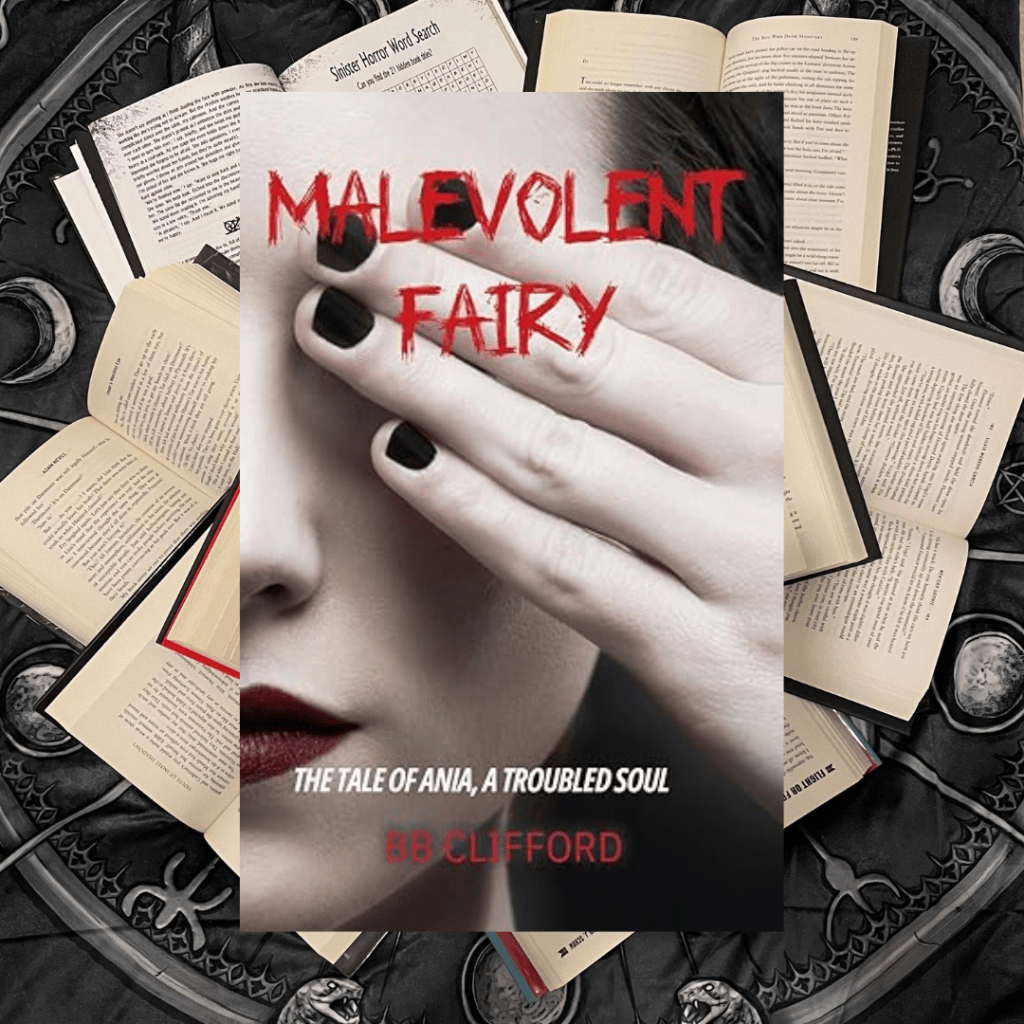
BB Clifford leads Ania and the reader down a myriad of blind alleys and dead ends, repeating imagery and scenes to reflect the obsessive, spiralling thoughts of the young protagonist. I admit that the phrase ‘liminal space’ felt like nails on a blackboard by the end of the book, and other recurring motifs like arachnids and missing children seemed overdone.
Interestingly, Malevolent Fairy is the third book in a trilogy about Ania’s dysfunctional family, but it is successful as a standalone novel. The narrative structure is ambitious and, although it flounders at times, it contains a naïve beauty and a powerful thread of universal truth. The antagonist is misogyny – those faceless, powerful men who view girls and women as baby-making machines and playthings. Clifford’s portrayal of the devastating results of such beliefs is a source of horror and discomfort that many female readers will recognise in their own lives.
It may not be perfect but Clifford offers readers something extraordinary, a fresh insight into an old problem.
If you’d like to check out the book or the author, links are below:
 Happy Goat Horror
Leave a comment