1917, Australia.
In the aftermath of an alternate ending to the First World War, mass frontline casualties and a mysterious pandemic have decimated governments and the environment across much of Europe and the world, Australia included.
Anna Baylon lives with her parents, scraping a meagre living in the drought-ridden, abandoned, and mostly isolated town of Berrima near Sydney, waiting for news of her older brother, Peter, who enlisted years before.
The arrival of a handsome, mysterious stranger, Nicolas de Laon, her brother’s lover, turns her world upside down.
Anna’s strength is tested when she follows Nicolas—a vampire—from the safety of her home, determined to learn Peter’s fate.
But Nicolas’s darkness isn’t confined to his vampiric hereditary. And when Anna learns the darker truth, can she forgive him?
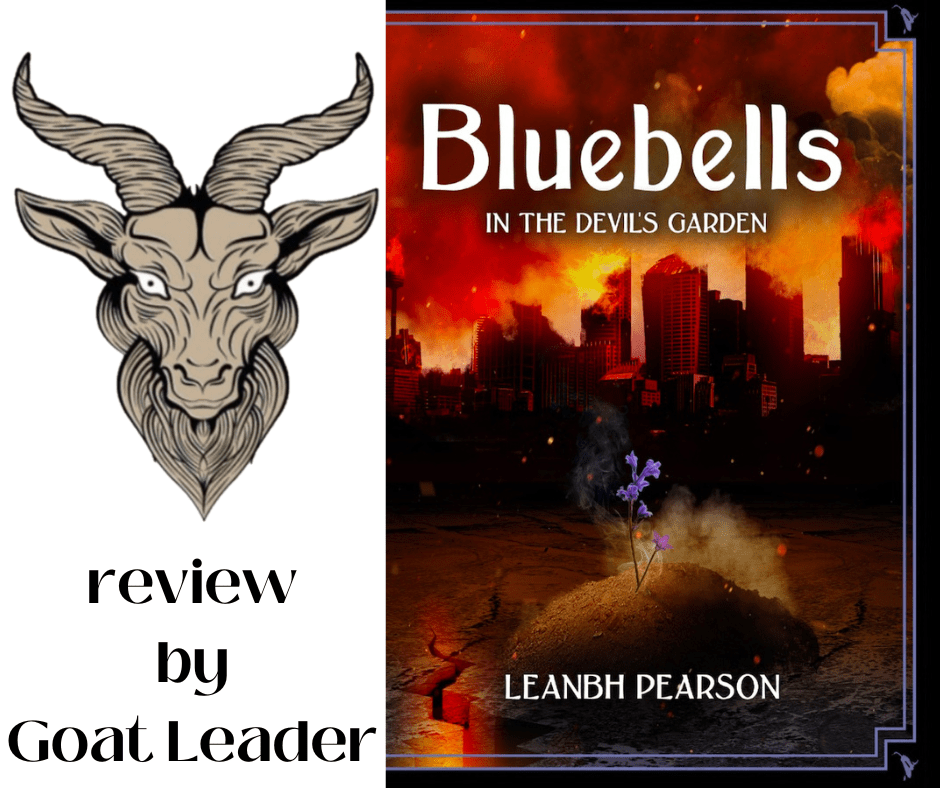
Dark bleatings, my lovely tribe. I’m talking about a novella today and I loved it so much, I don’t even know where to start.
We get third person POV chapters with Anna, mixed with first person chapter’s from Nicolas’s point of view. I loved the structure. Anna’s chapters spoke of her modest life, her heartache over her brother, Peter, who went to war and never came home, and a little later, her fear that she’s being watched. Nicolas is a vampire that stalks Anna from the treeline, watching her through the windows, sent there by her brother Peter, who asked Nicolas to bring them together again. I thought this worked really well because we get mystery through Anna as she wonders what lurks outside, and mystery from Nicolas because of what he is, and also because the way he’s behaving is odd, considering his immediate infatuation with her despite being in love (supposedly) with her brother. It made me scared for her and suspicious of him.
This novella gives us an alternative history of the first world war, a world in which vampires are not only in existence, but known about, and used as disease-spreading soldiers. It also gives us that good old vampire story romantic, gothic flair, mixed with blood lust and mortal danger. Complex relationships, deceit…you know, basically all you could want from a vampire story.
I really loved the story but where it excelled for me was how it handled Nicolas’s character, who I couldn’t help but feel was based on Lestat (from Anne Rice’s Vampire Chronicles). I could be reaching – I have no idea if the author did this intentionally or if the similarities are just a coincidence, but I’d like to think this was done on purpose to illuminate the thing that fans of Anne Rice (including myself) always ignore – Lestat is an absolute monster. Like him, Nicolas is smooth, enticing, alluring, apparently gorgeous, quick-witted, and easy to fall for, despite his nature. However, what I think the author did an amazing job of was showing that Nicolas comes across like this because it’s how he views himself, not because those are the strongest features of his personality. We’re in his POV so it would be easy to believe he’s just a guy searching for love, struggling against his vampiric instincts. But we see him through other people’s eyes, through other perspectives. He’s not actually charming, he’s manipulative. He’s alluring because everything he does is calculated. He has no control over his temper whatsoever, and when he loses it, he is vicious and savage. He is also vicious and savage when in control of his faculties, but excuses all of his own behaviour.
I have to disagree with other reviews I’ve read, that describe this as a gothic, paranormal romance. It isn’t. It’s a horror story about imbalanced strength and power dynamics in relationships, and about dangerous, volatile partners. It’s a warning about not falling for the mask, especially once you’ve seen what’s beneath it when it slips. It explores the complex emotional ties of the abused to their abusers.
Am I getting too deep with this? Maybe. But I got to thinking about all of this because Nicolas reminded me of Lestat, and how pissed off I was that no matter what he did (including one particularly horrendous thing in The Tale of the Body Thief), we were always supposed to be on his side. I was so happy that the author did not force us in that direction here. We’re shown all sides of this character, and the nastier parts of him aren’t justified away by the narrative, even if he tries to justify his actions to himself.
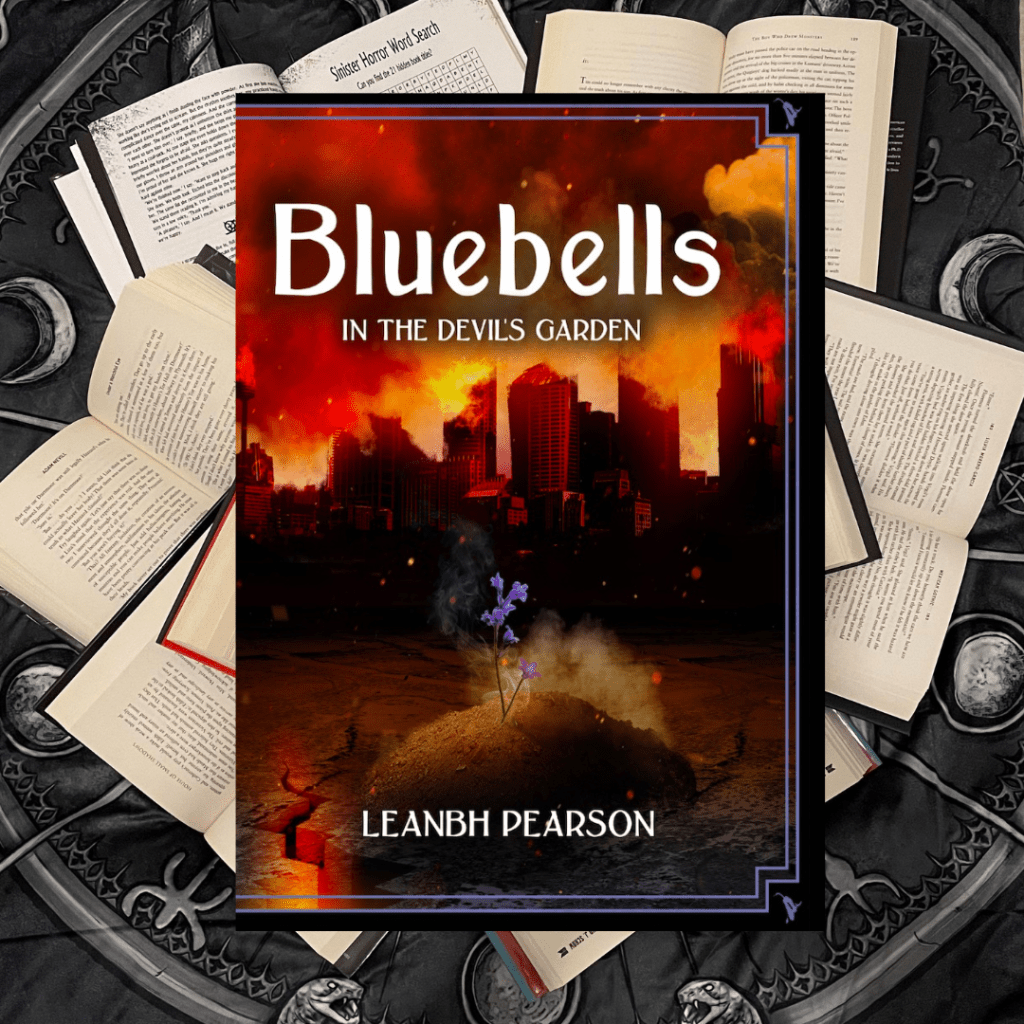
I’d recommend this to fans of vampire fiction for sure, and would be very interested to hear what other people make of it. If you’d like to check out the book or the author, I’ve popped some links below for you:
Bleeeeat!


Leave a comment